White Deer Plain play
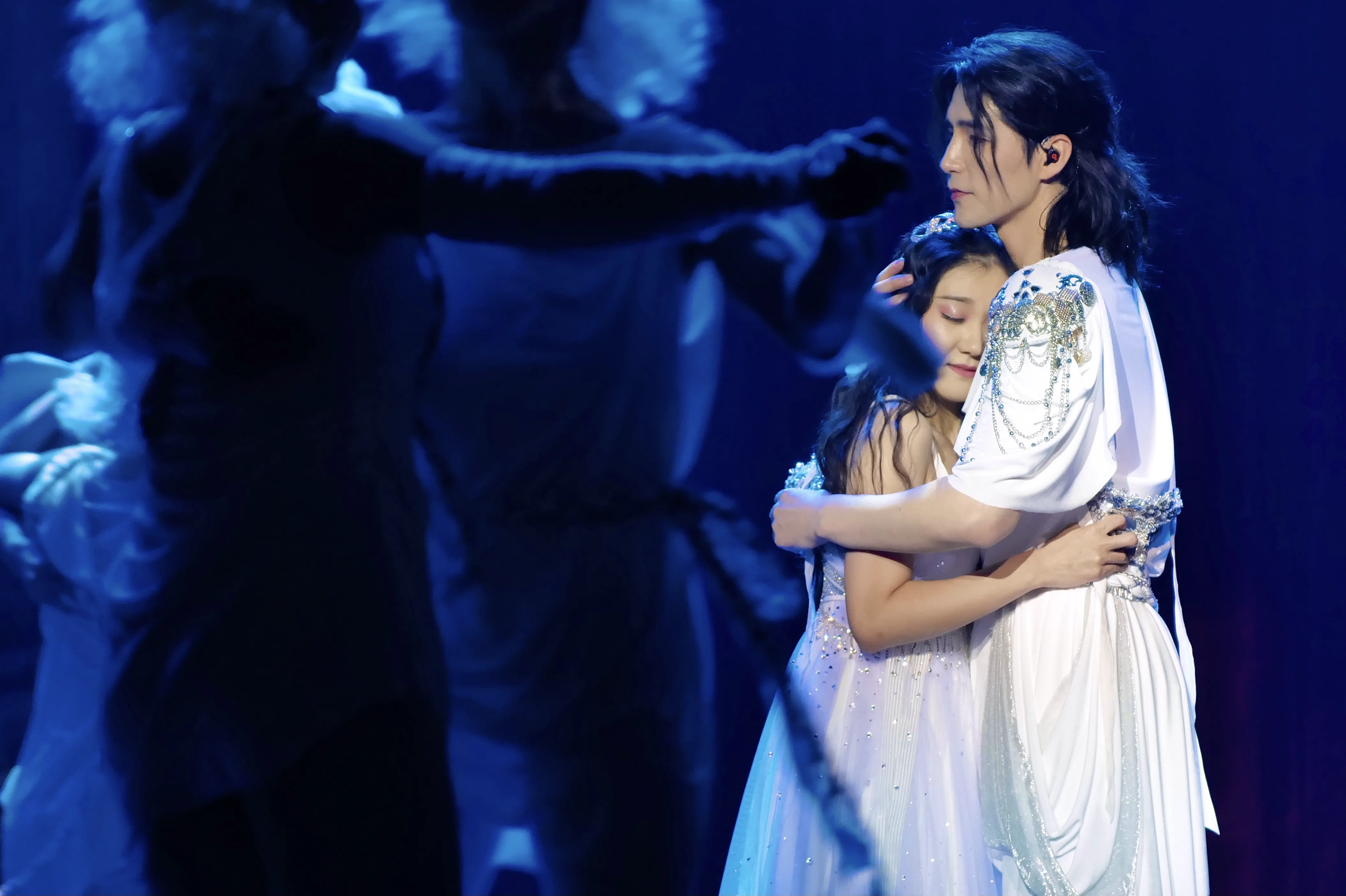
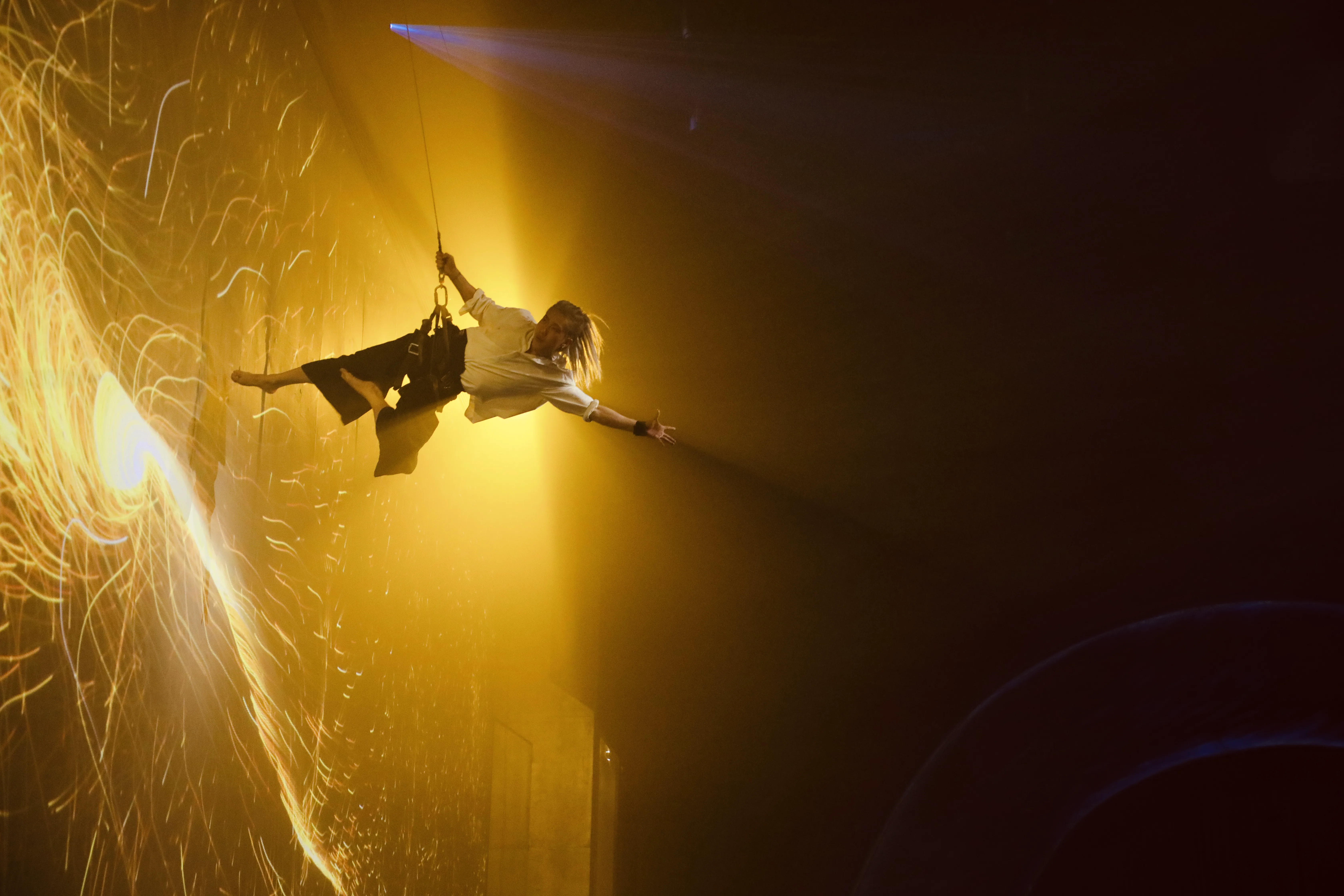
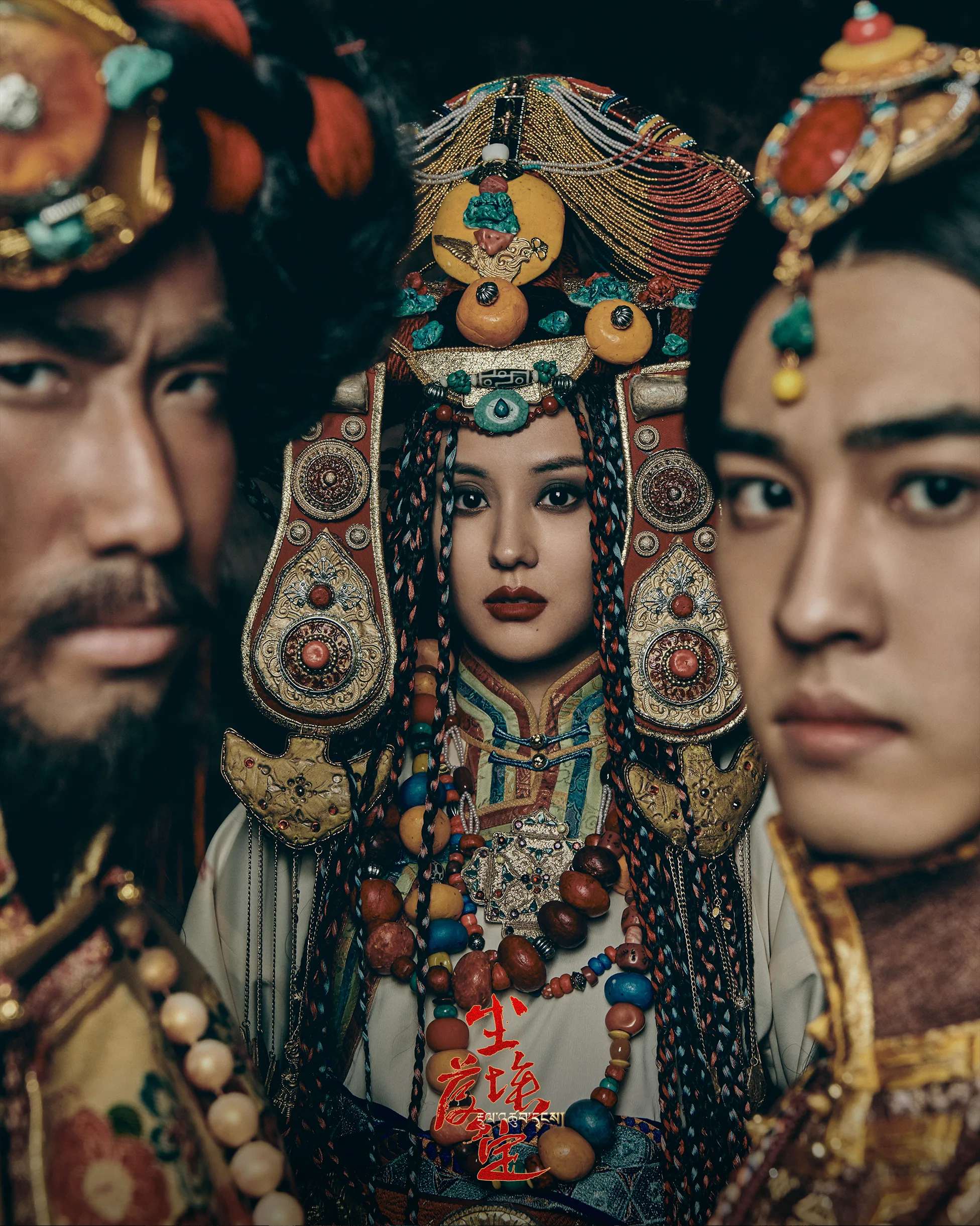
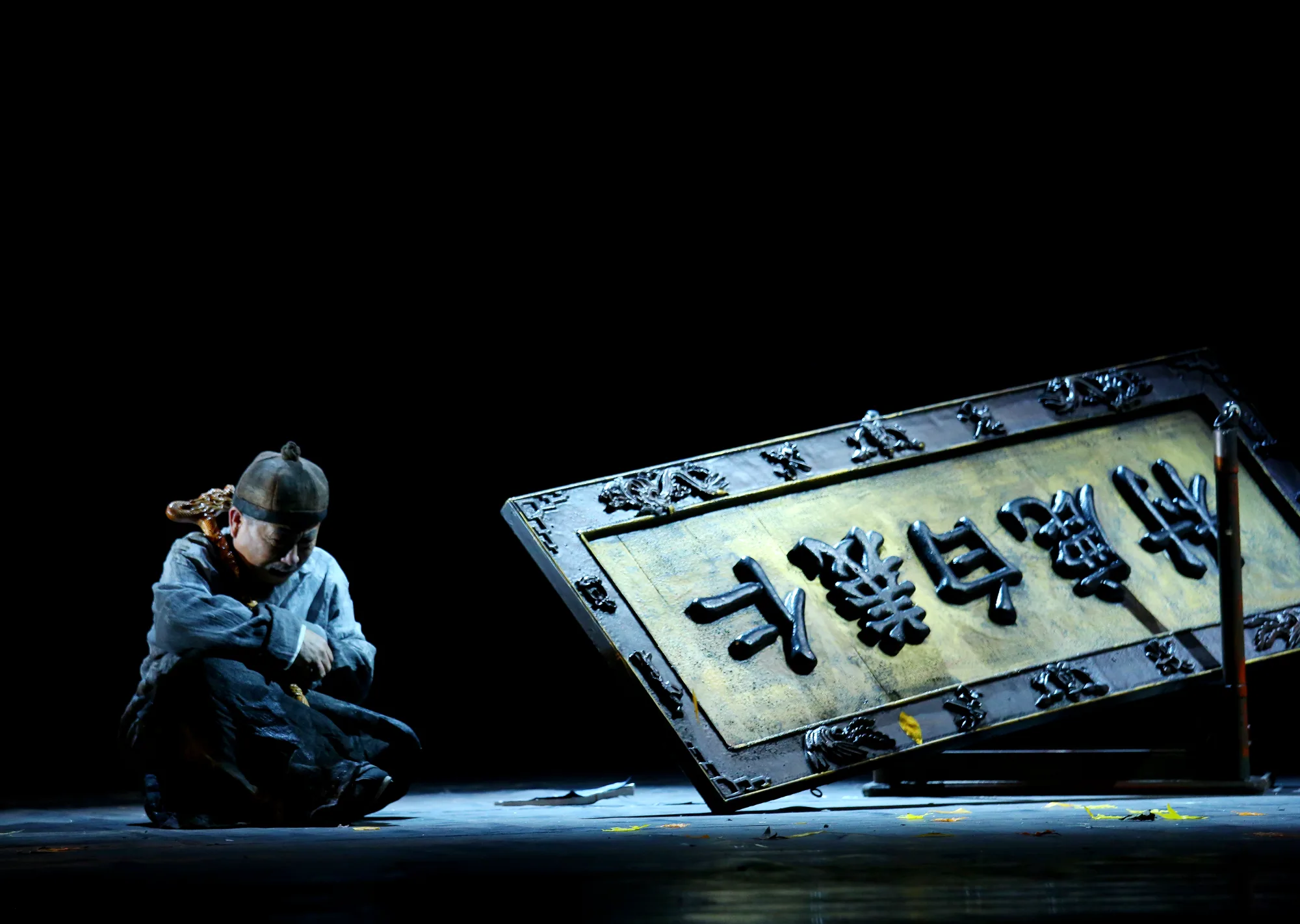
Winner of the Mao Dun Literature Prize, White Deer Plain stands as a monumental work of contemporary Chinese literature. This sweeping epic spanning fifty years on the Weihe Plain centres on the feuds and entanglements across generations between the Bai and Lu families amid shifting political circumstances in the Guanzhong Plain.
Project overview
Overview of White Deer Plain play
Winner of the Mao Dun Literature Prize, White Deer Plain stands as a monumental work of contemporary Chinese literature. This sweeping epic spanning fifty years on the Weihe Plain centres on the feuds and entanglements across generations between the Bai and Lu families amid shifting political circumstances in the Guanzhong Plain.
- Practice
- Production
- Partner
- Joyway production
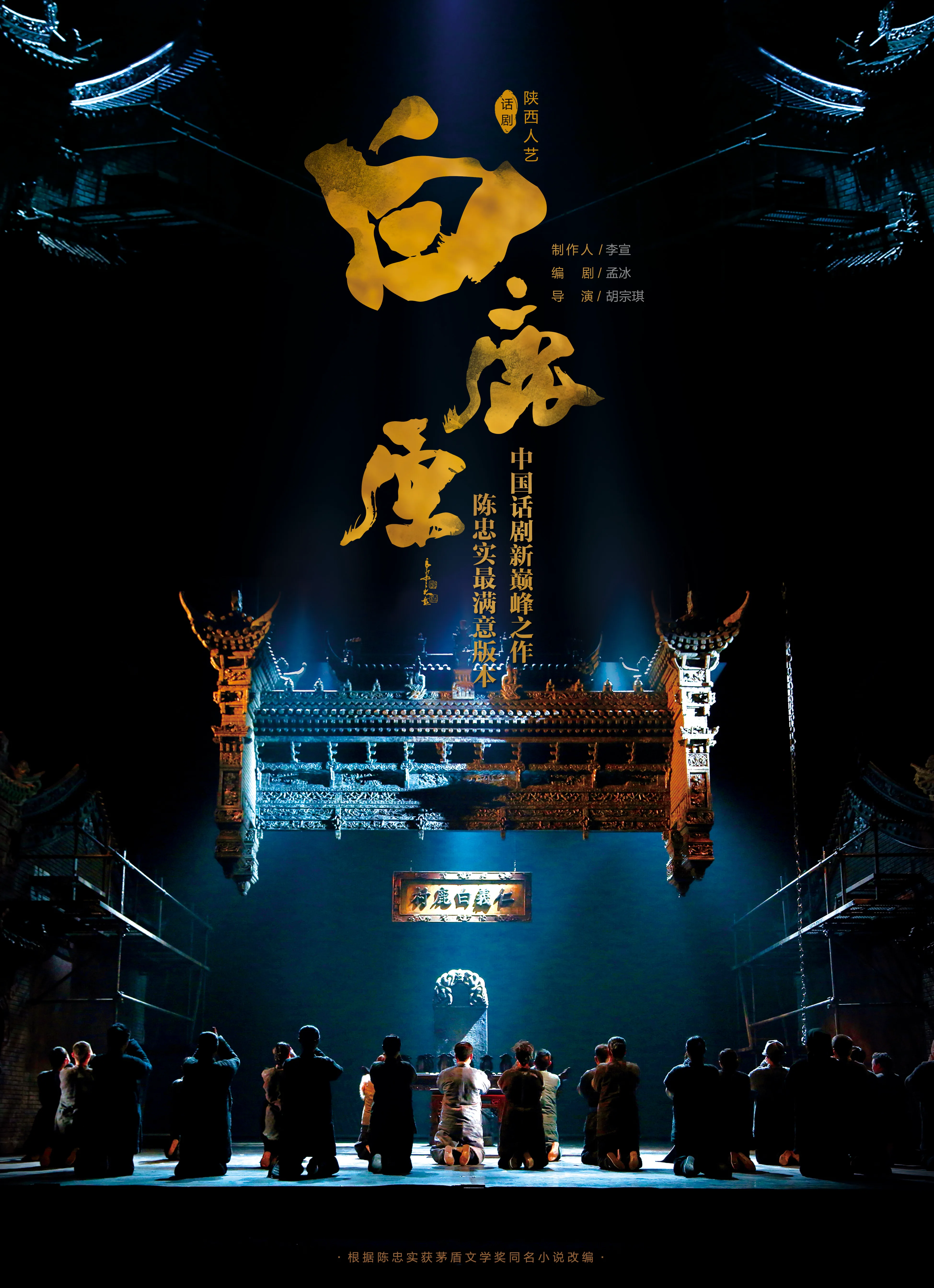
Inside the work
A whole world begins with one idea.
Centering on Bai Jiaxuan as the narrative core, White Deer Plain structures its plot around the conflicts and entanglements between the Bai and Lu clans. Taking the persistence and decline of the patriarchal clan system and Confucian ethics embodied by Bai Jiaxuan amid historical shifts and political movements as its narrative thread, the novel tells the story of two powerful families, the Bais and the Lus, in the village of White Deer Plain.
The Bai family has inherited the position of village clan leader. The protagonist Bai Jiaxuan marries seven wives in his lifetime; the last one stays with him until his death and bears him three sons and one daughter: Bai Xiaowen, Bai Xiaowu, Bai Xiaoyi and Bai Ling. Lu San is the long‑term farmhand of the Bai family, and Hei Wa is his eldest son. Representing the Lu family is Lu Zilin, who has two sons: Lu Zhaopeng and Lu Zhaohai.
Project film
Enter the moment
Gallery
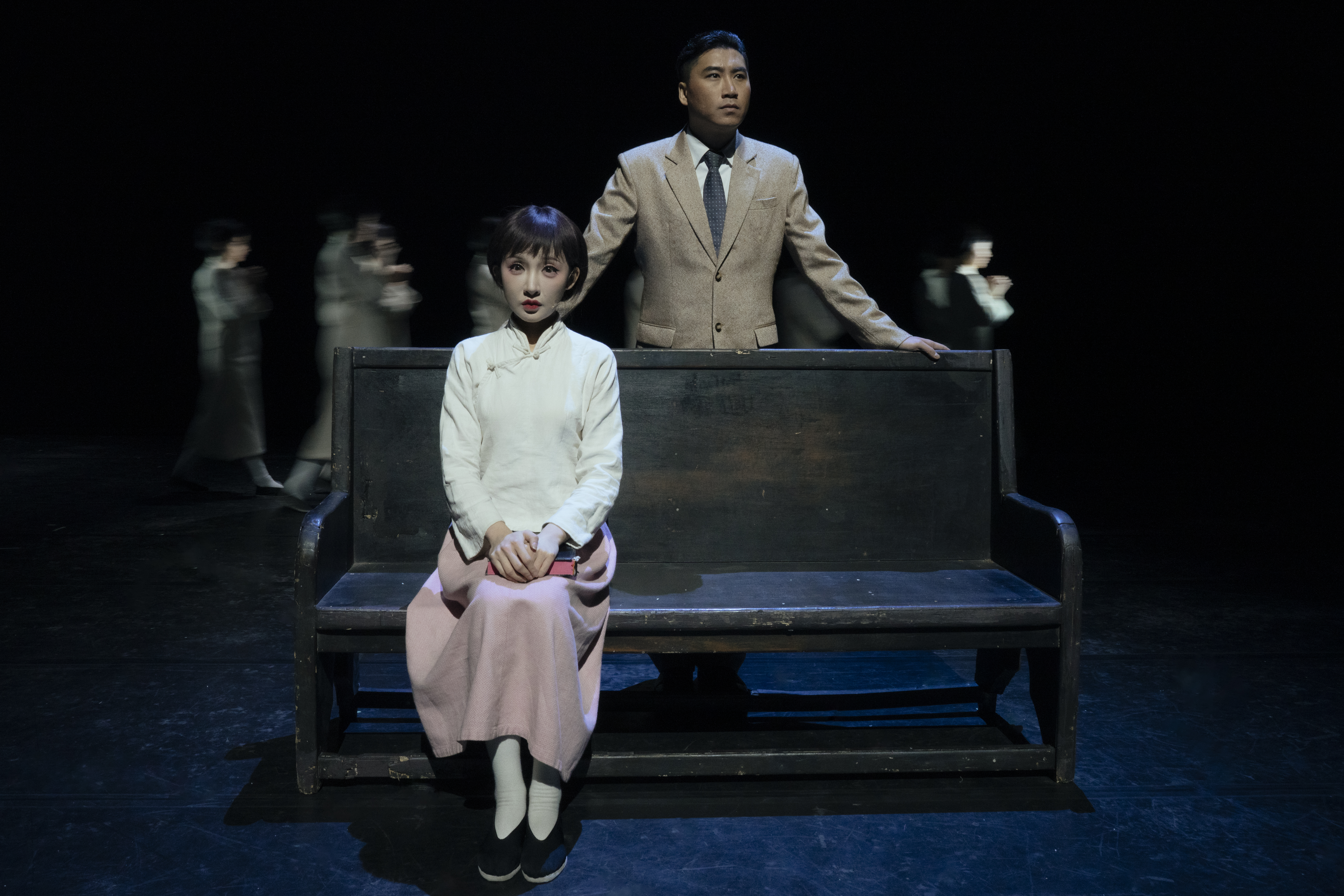
Beyond the frame




Continue exploring